Daily Current Affairs for Madhya Pradesh PSC (MPPSC)
MPPSC Current Affairs — 5 November 2026
MP hikes Ladli Behna to ₹1,500 and clears ₹27,050 crore of projects; the Centre's new rural-jobs law (125 days) replaces MGNREGA; PM launches ₹21,800 crore Pune Metro works.
Thursday, 5 November 2026 · IST · Madhya Pradesh + National · 10 items · 2 MCQs
Madhya Pradesh dominated the day: the cabinet raised Ladli Behna aid to ₹1,500/month, cleared about ₹27,050 crore of multi-year projects with a new Jabalpur–Indore Economic Corridor SPV, and advanced the soybean Bhavantar price-support scheme. Nationally, grievance rules were notified under the new rural employment law that replaces MGNREGA with a 125-day guarantee, the PM inaugurated ₹21,800 crore of Pune Metro works, and IRDAI restructured motor insurance. IIT Delhi stayed India's top institution in QS Asia 2027 as the world marked World Tsunami Awareness Day.
Today at a glance — things to remember
Ladli Behna aid up ₹1,250 → ₹1,500/month
MP Cabinet clears ~₹27,050 cr outlays
Jabalpur–Indore Economic Corridor SPV cleared
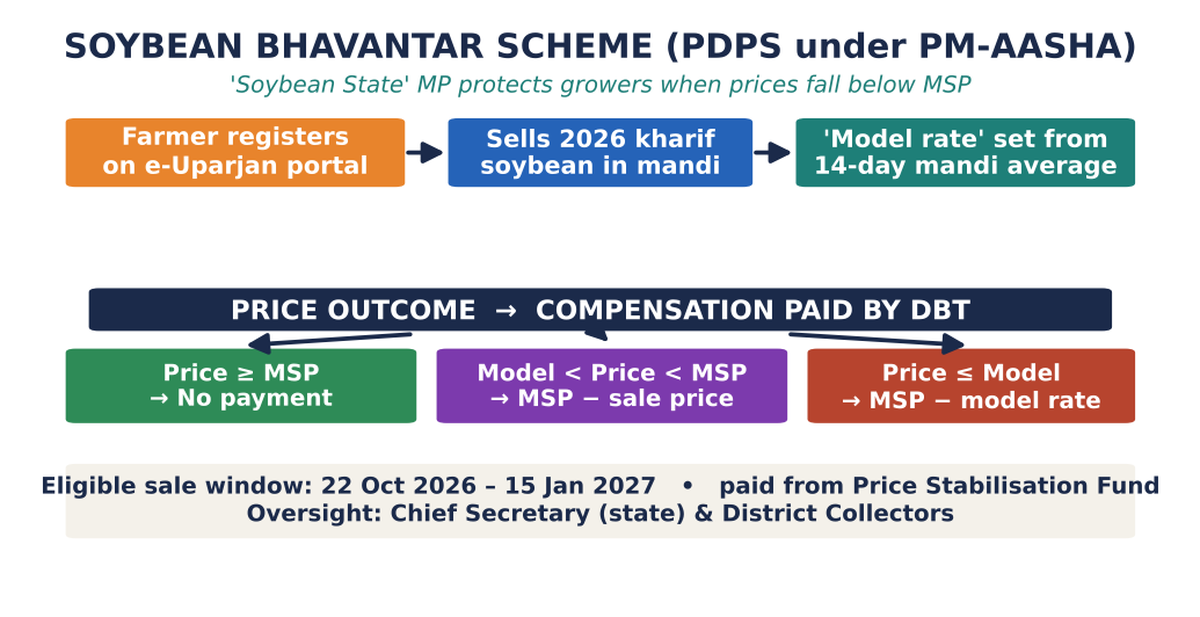
Soybean Bhavantar live (sale till 15 Jan '27)
~2,000 nilgai/deer moved via 'Boma' method
New rural-jobs law: 125 days (replaces MGNREGA)
PM opens ₹21,800 cr Pune Metro works
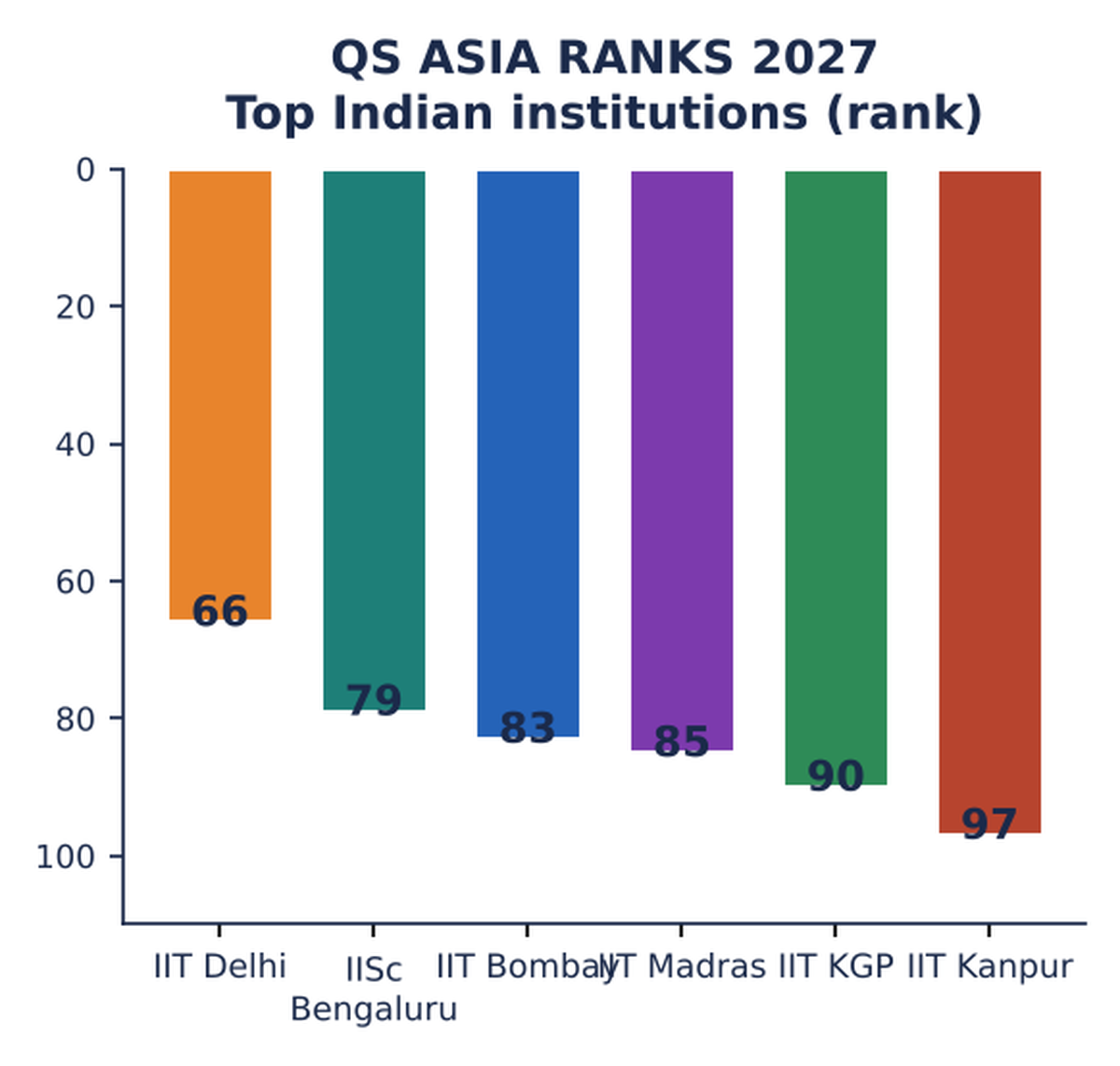
IIT Delhi tops India in QS Asia 2027 (66)
IRDAI: motor insurance in 4 parts (15 Dec)
World Tsunami Awareness Day — 5 Nov
Detailed notes
1. Ladli Behna aid raised to ₹1,500 a month
MADHYA PRADESHMPPSC: Prelims + Mains GS-II (Governance & Social Justice)
The MP cabinet cleared raising monthly assistance under the Ladli Behna Yojana from ₹1,250 to ₹1,500, effective from Bhai Dooj (post-Diwali). The CM has promised to take it to ₹3,000 by 2028.
Key facts
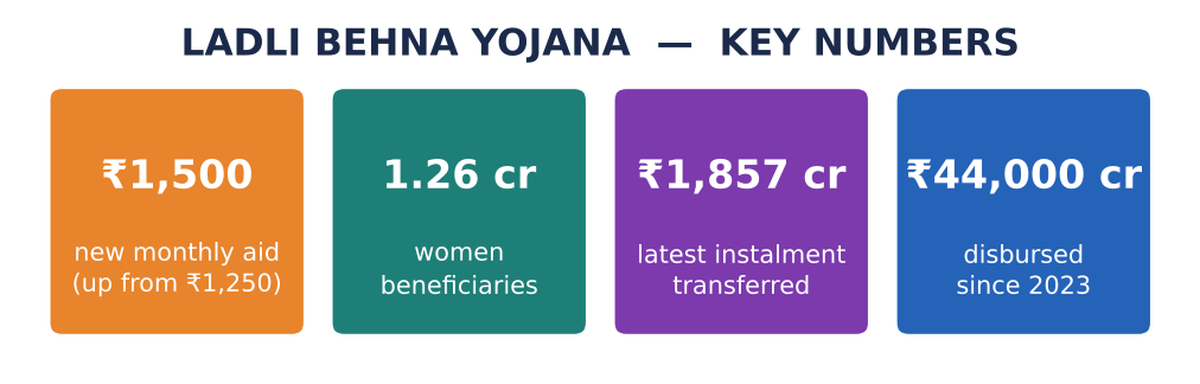
New aid ₹1,500/month (up from ₹1,250)
About 1.26 crore women beneficiaries
Latest instalment transferred: ₹1,857 crore
~₹44,000 crore disbursed since June 2023
Flagship DBT women-welfare scheme of MP
Way forward
Direct income support deepens women's financial inclusion; the fiscal sustainability of the rising outgo is the key watch.
Concept
DBT, women-centric welfare, state fiscal capacity; links to GS-II social justice and support for vulnerable sections.
Stat tiles: ₹1,500 new monthly aid, 1.26 crore women, ₹1,857 crore instalment, ₹44,000 crore disbursed. — StudyForGS
2. MP clears ~₹27,050 cr projects, new Jabalpur–Indore corridor
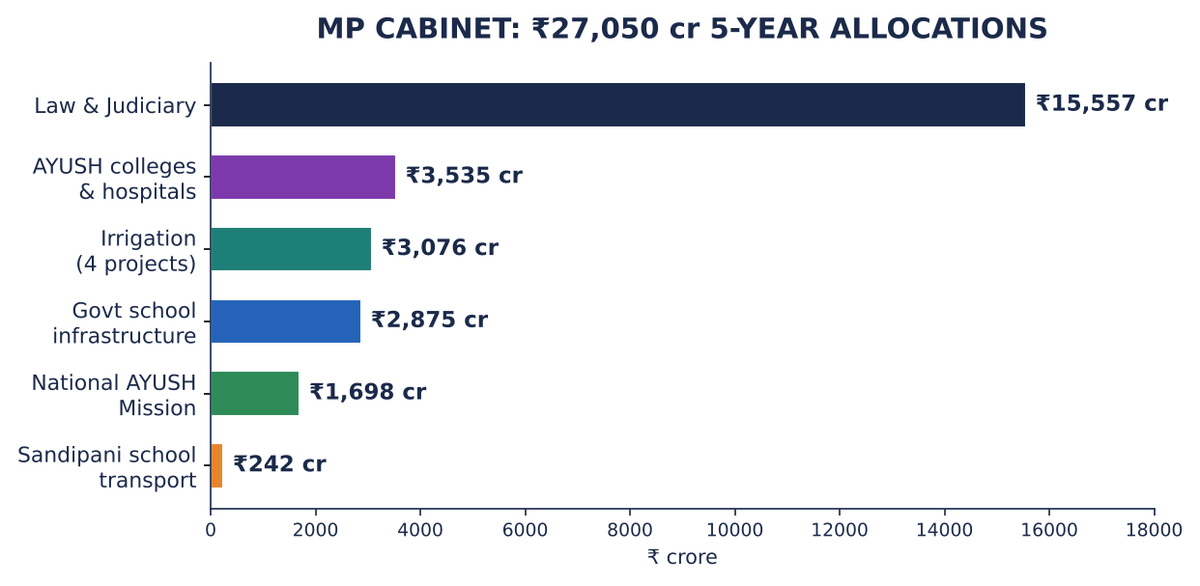
The Mohan Yadav cabinet approved multi-year allocations totalling about ₹27,050 crore across law & judiciary, AYUSH, irrigation and schools, plus a government SPV for the Jabalpur–Indore Economic Corridor.
As India's 'Soybean State', MP runs Bhavantar (Price Deficiency Payment) under PM-AASHA to pay farmers the gap when mandi prices fall below MSP for the 2026 kharif crop.
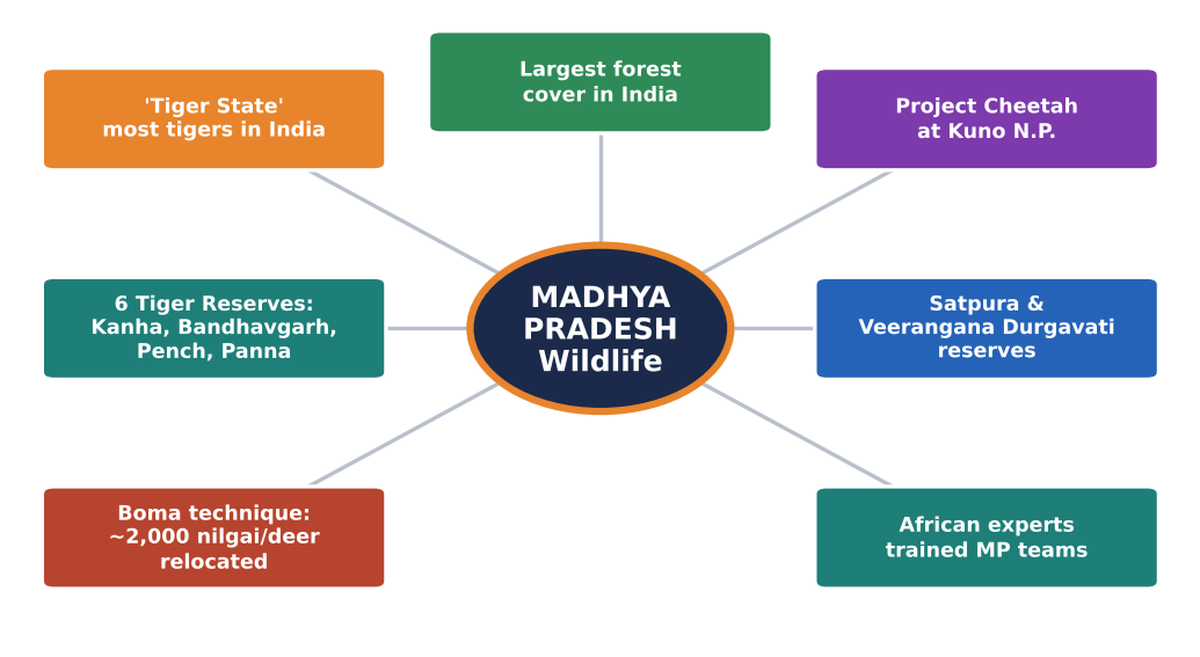
MP continues to lead conservation — the most tigers and largest forest cover in India and Project Cheetah at Kuno — while relocating ~2,000 nilgai and deer via the African 'Boma' technique to cut crop damage.
Key facts
'Tiger State' — highest tiger population in India
Largest forest cover among Indian states
Project Cheetah at Kuno National Park
6 tiger reserves: Kanha, Bandhavgarh, Pench, Panna, Satpura, Veerangana Durgavati
~2,000 nilgai/deer relocated via Boma technique (African experts trained teams)
Way forward
Habitat expansion plus human–wildlife conflict mitigation are central to sustaining big-cat gains.
MPPSC Prelims (polity/schemes) + Mains GS-II — right to work, social security, redressal mechanisms.
Context
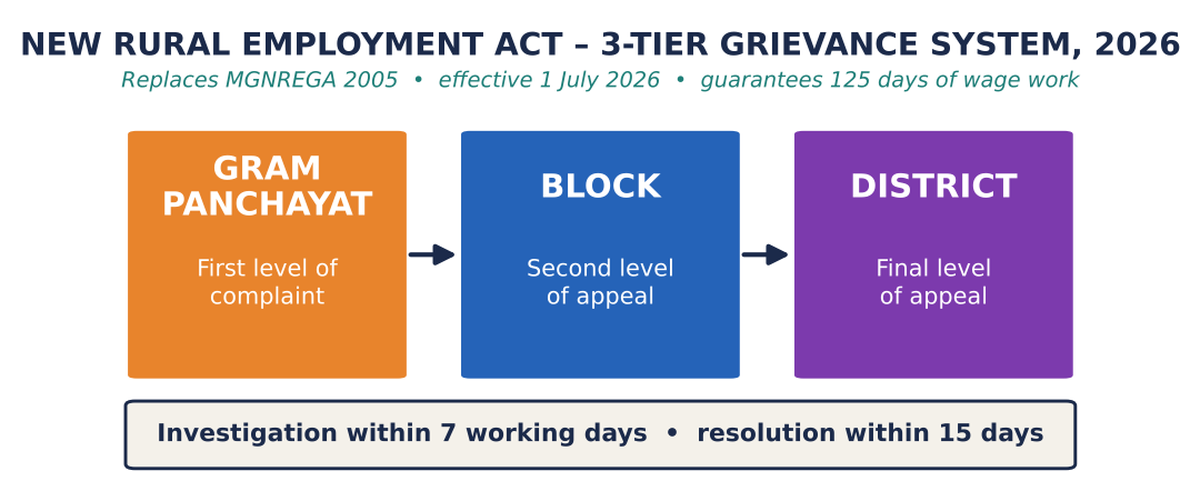
The Centre notified grievance-redressal rules under the new rural employment law that replaced MGNREGA (2005) from 1 July 2026, creating a three-tier complaint system.
Key facts
Replaces MGNREGA 2005; effective 1 July 2026
Guarantees 125 days of wage work per rural household (up from 100)
3-tier redressal: Gram Panchayat → Block → District
Investigation in 7 working days, resolution in 15 days
Aims to curb wage delays and strengthen accountability
Way forward
Faster redressal can curb wage delays; district-level administrative capacity is the real test.
Concept
Right to work, social security, cooperative federalism; GS-II welfare schemes.
Three pillars Gram Panchayat, Block, District with 7-day investigation and 15-day resolution. — StudyForGS
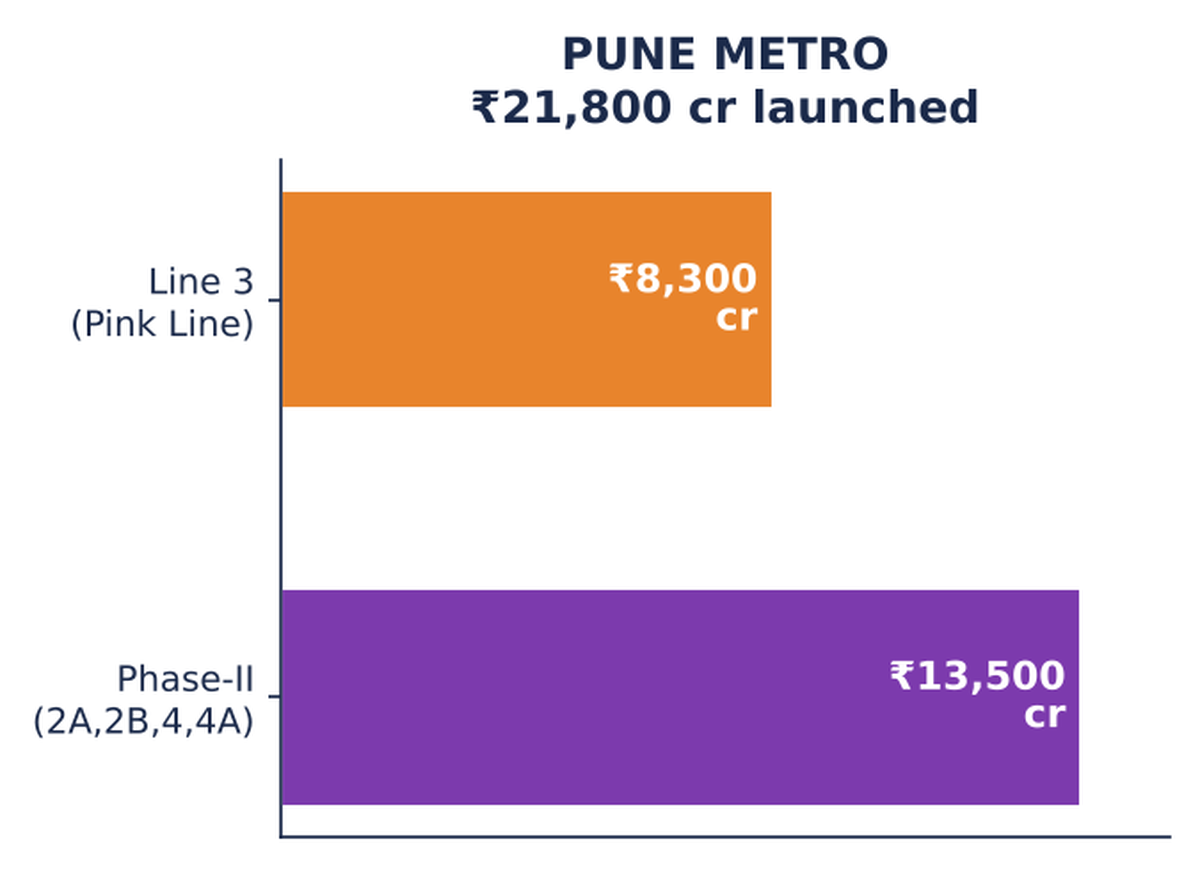
6. PM launches Pune Metro works worth ₹21,800 crore
The insurance regulator directed that from 15 Dec 2026 private-car and two-wheeler policies be split into four clearly defined sections to improve transparency.
Key facts
Effective 15 Dec 2026
Third-party liability + owner-driver PA cover mandatory
Legal-liability-to-occupants, extra PA, own-damage optional
Follows a Supreme Court direction
Linked to the Bima Sugam digital platform
Way forward
Clearer segmentation aids consumers; digital Bima Sugam can widen insurance penetration.
PM SWAMITVA in MP — rural property rights property registrations completed; target 20 lakh by 15 Nov 2026; ~60 lakh people to benefit; registry is free for villagers.
Prelims rapid-fire
CCI cleared Kotak Mahindra Bank's buyout of Deutsche Bank's India retail & wealth business (~₹281.7 cr slump sale).
India topped the 46th Tammer Boxing Tournament (Finland) with 14 medals incl. 4 gold.
MP's next 'destination cabinet' meets on 18 Nov 2026 at Gandhi Sagar, Neemuch.
Birsa Munda birth anniversary (Janjatiya Gaurav Divas) marked statewide in MP on 15 Nov.
Tsunami Day 2026 theme: 'Be Tsunami Ready: Resilience Starts With You'.
Practice MCQs — MPPSC Prelims pattern
Q1. The 'Boma technique', seen recently in Madhya Pradesh, is associated with which of the following?
A method of solar-power generation
Capture and translocation of wild animals
A soil and moisture conservation method
A high-yielding variety of soybean
Show answer
Answer: B The Boma technique is a funnel-shaped capture-and-translocation method used to relocate wild animals (here ~2,000 nilgai/deer in MP) safely, with training support from African experts.
Q2. The new rural employment law that replaced MGNREGA (2005) guarantees how many days of wage employment per rural household?
100 days
115 days
125 days
150 days
Show answer
Answer: C The new law raises the guaranteed wage work to 125 days per rural household (from 100 under MGNREGA) and is backed by a 3-tier grievance redressal system.
Mains practice question
Q. Price-deficiency payment schemes such as Bhavantar are increasingly used in agrarian states like Madhya Pradesh. Discuss how they protect farmers and examine their fiscal and implementation challenges. (GS-III)
Hint / approach
Define PDPS vs MSP procurement under PM-AASHA; use MP's soybean context; weigh benefits (price assurance, DBT) against challenges (fiscal burden, mandi price-discovery manipulation, model-rate design, leakages).
📌 One-line revision: Ladli Behna ₹1,500 • Bhavantar for MP soybean (PM-AASHA) • New rural-jobs law = 125 days • Pune Metro ₹21,800 cr • IIT Delhi tops Asia at 66 • World Tsunami Day (5 Nov).